


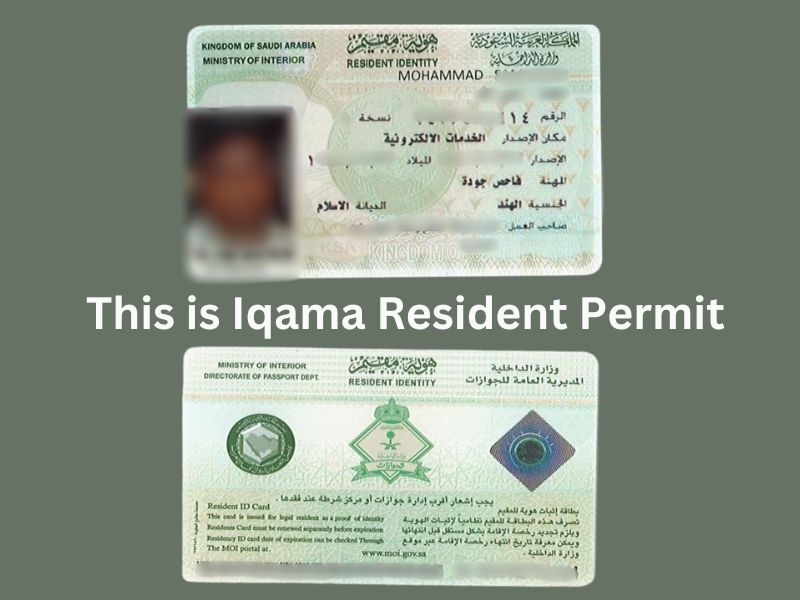
what is iqama or resident permit issued to expatriates living and work in Saudi Arabia It’s also known to as a Muqeem card occasionally. It is a necessary document that allows foreign nationals to reside and work in the Kingdom of Saudi Arabia.
what is iqama Or Resident Permit and Key features and functions of the Iqama include
what is iqama or resident permit .The Saudi government issues the iqama or resident permit to expatriates after their initial entry into the country.
Iqama or Residence Permit
The Iqama serves as a legal proof of residence for expatriates living in Saudi Arabia.
Work Authorization
It also serves as a work permit allowing individuals to be employed in the country.
Identity Document
The Iqama includes essential personal information about the holder such as name date of birth nationality and occupation.
Duration
The Iqama is typically issued for a specific duration usually linked to the employment contract or sponsorship agreement. Renewal is required before the expiration date to maintain legal residency.
Exit and Reentry
The Iqama is necessary for travel in and out of Saudi Arabia. Expatriates need to have a valid Iqama to leave and return to the country.
Dependents
Iqama can also be issued for dependents such as spouses and children allowing them to reside legally in the country.
Healthcare and Other Services
The Iqama is often required to access various services including healthcare education and other government services.
It’s important for expatriates to ensure that their Iqama is always valid and up-to-date. Violating the terms of the Iqama such as overstaying or working for a different employer without the necessary permissions can lead to legal consequences including fines deportation and bans on reentry.
Therefore individuals living in Saudi Arabia should be aware of and adhere to the regulations associated with their Iqama.
Iqama use in Banks
Yes the Iqama is often required for various transactions and service including those provided by banks in Saudi Arabia. Here are some ways in which the Iqama is commonly used in banking:
Bank Account Opening
When opening a bank account in Saudi Arabia individuals are typically required to present their Iqama as part of the identification process. The Iqama serves as a primary proof of residency and identity.
Financial Transactions
For various financial transactions such as fund transfers currency exchange and other banking activities the Iqama may be requested for verification purposes.
Loans and Credit Facilities
When applying for loans credit cards or other financial products banks often require the Iqama as part of the documentation to assess the applicant’s eligibility.
Utility Bill Payments
Some utility bill payments and other financial transactions may require the presentation of the Iqama for verification purposes.
ATM and Debit/Credit Card Services
While using ATMs or conducting transactions with debit or credit cards individuals may be required to enter their Iqama number for added security and verification.
Online Banking Services
When registering for online banking services the Iqama may be used as part of the authentication process to ensure the security of online transactions.
It’s important for residents in Saudi Arabia to keep their Iqama updated and readily available as it is a key document for accessing various services including those provided by financial institutions.
Failure to present a valid Iqama may result in difficulties in conducting financial transactions and accessing banking services.
In Saudi Arabia the Iqama is also essential for various telecommunications purposes
Mobile SIM Card Activation
To obtain and activate a mobile SIM card in Saudi Arabia individuals are generally required to provide their Iqama as part of the registration process. The Iqama serves as a form of identification and is linked to the individual’s mobile number.
Telecommunications Services
The Iqama is often required for various telecommunications services including the purchase of mobile data plans subscription to additional services and resolving issues related to the mobile account.
Traveling inside the Saudi Arabia
When traveling within the country individuals may be required to present their Iqama for identification purposes. This is especially important when dealing with transportation services such as domestic flights where the Iqama is often used to verify the traveler’s identity.
It’s important to note that the Iqama plays a necessary role in various aspects of daily life in Saudi Arabia contributing to identity verification and ensuring that individuals have legal residency in the country.
Whether dealing with telecommunications providers or engaging in travel-related activities within the country having a valid and up to date Iqama is generally a requirement.
Iqama Validity
The validity of an Iqama (residence permit) in Saudi Arabia is typically linked to an individual’s employment contract or sponsorship agreement.
The duration of the Iqama is determined by the terms of the employment and it is common for it to be issued for one to two years initially. However the exact validity period can vary.
Here are some key points regarding the validity of the Iqama:
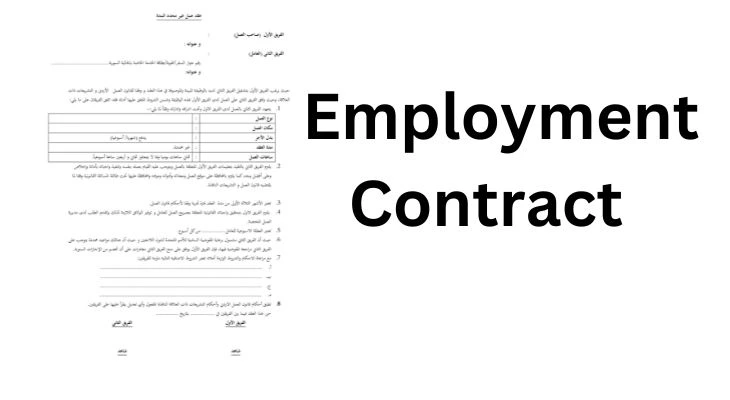
Employment Contract
The Iqama is closely tied to an individual’s employment in Saudi Arabia. Therefore its validity often corresponds to the duration of the employment contract. If the employment contract is renewed the Iqama is typically renewed as well.
Sponsorship Changes
If there are changes in sponsorship or employment such as switching employers the Iqama may need to be updated or transferred. This process involves obtaining a new Iqama under the new sponsorship.
Renewal Process
Expatriates need to ensure that their Iqama is renewed before its expiration to maintain legal residency in the country. The renewal process typically involves the employer or sponsor initiating the renewal with the Saudi authorities.
Penalties for Overstaying
Failing to renew the Iqama before its expiration can result in penalties fines and potential legal consequences. It’s important for individuals to be aware of the expiration date and initiate the renewal process in a timely manner.
Continuous Employment
The Iqama is generally valid as long as the individual remains employed under the same sponsorship. If there is a break in employment such as resignation or termination the individual may need to address the status of their Iqama promptly.
It’s necessary for expatriates in Saudi Arabia to be aware of the expiration date of their Iqama and to work with their employers or sponsors to ensure timely renewal.
Failure to renew the Iqama on time can lead to complications including fines potential deportation and difficulties in legalizing one’s status in the country. It’s always advisable to stay informed about the rules and regulations governing residency and work permits in Saudi Arabia.
Penalties if Loss or Expiry
If an expatriate in Saudi Arabia loses their Iqama (residence permit) or if the Iqama expires without renewal it can lead to various penalties and consequences. Here are some of the potential penalties
Fines:
Failure to renew the Iqama on time or losing it may result in financial penalties. These fines can accrue for each day of delay in renewing the residence permit.
Deportation
In some cases individuals who allow their Iqama to expire or lose it may face deportation from Saudi Arabia. This is a serious consequence as it involves being forced to leave the country.
Legal Consequences
Overstaying in the country without a valid Iqama is considered a violation of Saudi Arabian immigration laws. This can lead to legal consequences including imprisonment and a ban on reentry.
Difficulty in Transactions
Without a valid Iqama individuals may face difficulties in conducting various transactions such as opening bank accounts getting a mobile SIM card or accessing certain government services.
Employment Issues
Employers are responsible for ensuring that their employees’ Iqamas are valid and up-to-date. If an employee’s Iqama expires it may lead to employment-related issues including fines for the employer and potential termination of employment.
To avoid these penalties it’s necessary for expatriates to be aware of the expiration date of their Iqama and initiate the renewal process well before it expires. If the Iqama is lost individuals should report the loss to the authorities and follow the necessary procedures to obtain a replacement.
It’s important to note that Saudi Arabia takes its immigration laws seriously and individuals are expected to comply with the regulations related to residency permits.
Staying informed about the rules and regulations and proactively addressing any issues related to the Iqama can help individuals avoid legal complications and ensure a smooth stay in the country.
Conclusion
In conclusion the Iqama in Saudi Arabia is a necessary document for expatriates serving as a residence permit work authorization and a form of identification. Its validity is typically linked to the duration of an individual’s employment contract or sponsorship agreement.
Failing to renew the Iqama on time or losing it can result in various penalties including fines deportation legal consequences and difficulties in accessing services.
It is essential for expatriates to be aware of the expiration date of their Iqama initiate the renewal process in a timely manner and report any loss promptly.
Adhering to the regulations and staying informed about the rules governing residency and work permits in Saudi Arabia is key to avoiding complications and ensuring a legal and smooth stay in the country.